
Building tarps are a form of tarpaulin that can be used to cover structures in various situations. Building tarps are often used in the construction industry for weather protection and defense. These covers may also be used in agriculture, most commonly to build hay storage structures. Whatever the use, covers are a great time saver and cost-effective way to shield your room from the public as well as threats like inclement weather.
Protection from the elements
One of the most common uses for building covers is to shield an unfinished structure from the elements. When working on a big undertaking, the project must be protected when it is not in use. This is critical because disruptive weather could enter the open structure, causing expensive damage to the work that has already been completed. Most forms of shielding would be prohibitively expensive, but massive tarps are an affordable way to keep building sites protected for the length of the build.
Security on the Jobsite
Covers are important for construction site protection in addition to shielding against the elements. For one, covers lock the general public out of a partially completed structure. Since unfinished building sites cannot be closed, they are at risk of being overrun by unauthorized persons.
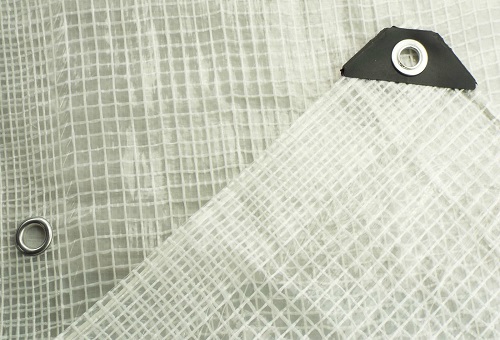
Second, construction tarps are needed for the protection of both construction workers and passers-by. During building, these covers can protect passers-by from any debris or toxic materials. Tarps can also protect construction personnel from the elements while also supplying shade.
Hay Storage Structures
Hay storage on a farm is another popular use for large, heavy-duty tarps like building covers. Significant quantities of hay must often be protected in farming to shield these precious items from the elements. Although some people use hay tarps to cover their hay, others use tarps to construct hay storage buildings. Hay storage buildings are advantageous because they are a semi-permanent construction that can be used several times while still being quickly dismantled when required.
Covers with Structures That Are Customized
When buying construction tarps, you may want to order personalized covers to meet the specific requirements. This is due to the fact that each application is unique, and yours can need special measurements, materials, and features that can only be found in a custom-made construction tarp. When buying the custom covers, make sure you have all of the appropriate material, such as the requirements of your house and the needs of your construction site. Mesh tarps are often used in building because they provide shade and allow for air circulation. Rain and extreme weather cover is provided by double canvas tarps and other heavy-duty types of building tarps.
When buying your custom building covers, make sure you have all of the appropriate material, such as the requirements of your building and the needs of your construction site.

 Clear Tarpaulin Details